
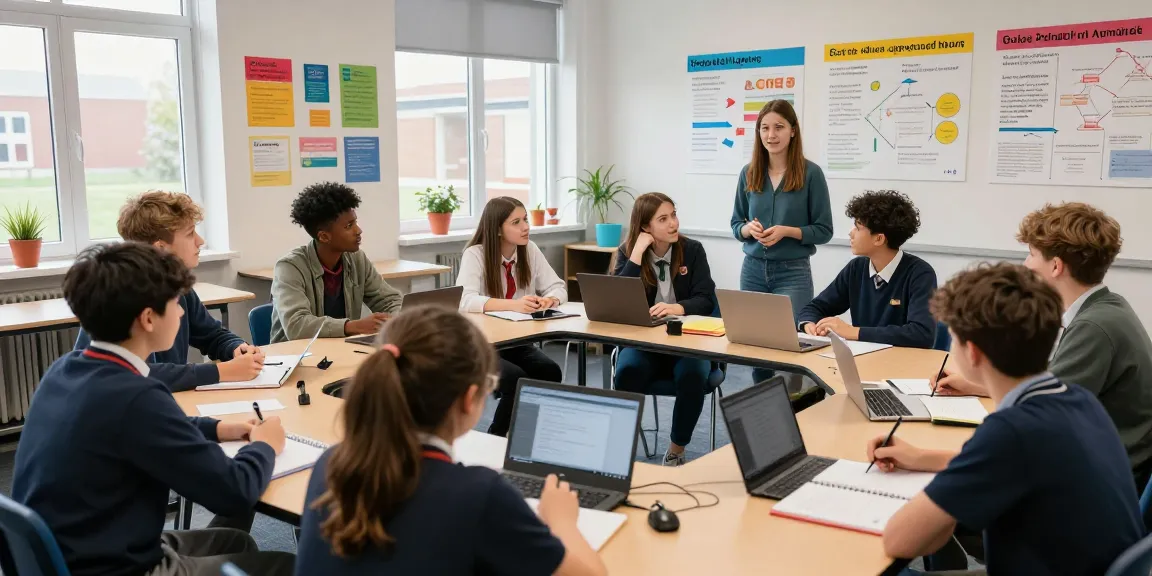
Understanding Post-16 Options in the UK
As students approach the age of 16, they face pivotal decisions that can shape their future careers and educational paths. In the UK, the range of Post-16 options UK offers a wealth of opportunities tailored to various interests and aspirations. From pursuing traditional academic routes to exploring vocational qualifications, understanding these pathways is crucial for making informed choices. This article will dive into the various options available to students, highlighting the benefits and challenges of each.
What are Post-16 Options?
Post-16 options refer to the educational and career pathways available to students after they finish their compulsory schooling at age 16. The key choices include:
- A-Levels: Typically undertaken over two years, A-Levels are academic qualifications that prepare students for university.
- Vocational Qualifications: These qualifications, such as BTECs and NVQs, focus on practical skills and are often more career-oriented.
- T Levels: A newer qualification that combines classroom learning with industry placements.
- Apprenticeships: A blend of work and study, allowing students to earn while they learn in a specific trade or profession.
- Further Education Colleges: Institutions offering a variety of courses ranging from academic to vocational options.
- Work or Volunteering: Gaining hands-on experience while pursuing part-time education or training.
Key Pathways for Students
Students can choose between these pathways based on their strengths, interests, and career aspirations. Each option has its pros and cons:
- A-Levels are essential for university entry but can be demanding.
- Vocational qualifications cater to those inclined towards specific careers and often come with the bonus of practical experience.
- Apprenticeships are increasingly popular for students who wish to gain direct work experience alongside their studies.
Choosing the right pathway is essential, and students are encouraged to consider their long-term goals when making this decision.
Common Misconceptions about Post-16 Education
Misunderstandings about post-16 options can lead to poor decisions. Here are a few common misconceptions:
- Higher Education is the Only Path: Many believe that university is the only route to success, overshadowing valuable vocational training options.
- Apprenticeships Are Easy: While apprenticeships are a great way to gain skills, they can be competitive and require commitment similar to a traditional educational path.
- Vocational Training is for Low Achievers: This is a damaging stereotype, as vocational qualifications can lead to rewarding careers and are respected by many employers.
Understanding these misconceptions helps students make more informed choices about their futures.
Apprenticeships as a Career Pathway
Apprenticeships combine practical work experience with classroom learning, giving students a head start in their chosen career. They are an excellent option for those who prefer hands-on learning over traditional classroom settings.
Types of Apprenticeships Available
Apprenticeships come in various forms, including:
- Intermediate Apprenticeships: Suitable for those just starting their careers, typically requiring GCSEs.
- Advanced Apprenticeships: These require a higher level of skill and education, often equivalent to A-Levels.
- Higher Apprenticeships: These can lead to qualifications equivalent to a foundation degree or higher.
- Degree Apprenticeships: Allow students to gain a degree while working, blending academic study with practical experience.
Benefits of Choosing an Apprenticeship
There are numerous benefits to pursuing an apprenticeship, including:
- Earn While You Learn: Apprentices receive a salary while gaining valuable work experience.
- Real-World Experience: Working in a real job provides skills that are highly valued by employers.
- Potential Career Progression: Many apprentices continue to work for their employers after completing their training.
How to Apply for Apprenticeships
Applying for apprenticeships involves several steps:
- Research available opportunities in your field of interest.
- Prepare a strong CV and cover letter that highlight your skills and motivations.
- Network with employers or attend apprenticeship fairs to grow your connections.
- Submit applications and prepare for interviews by practicing common questions.
With dedication and preparation, students can successfully navigate the apprenticeship application process.
Further Education: Colleges and Courses
Colleges offer a diverse range of courses that cater to different interests and career paths. Understanding the types of courses available can help students make informed decisions about their future education.
Types of Courses Offered
Colleges provide several options:
- A-Level Courses: Focused on academic subjects to prepare for university.
- BTECs: More vocational, focusing on specific career skills.
- T Levels: Provide a blend of classroom learning and industry placements in a specific field.
Choosing the Right College
Selecting the right college is as crucial as choosing the right course. Factors to consider include:
- Location: Proximity to home can ease daily commuting.
- Specialties: Some colleges excel in particular fields or vocational training.
- Student Support Services: Evaluate the level of support offered, especially if you require additional help.
Funding Options and Scholarships
Financial considerations can impact educational choices. Various funding options are available to students, including:
- Tuition Fee Loans: Offered by the government to help cover the cost of education.
- Bursaries and Scholarships: Many colleges offer financial aid based on merit or need.
- Part-Time Work: Many students choose to balance part-time jobs with their studies to help cover living costs.
Researching these options can alleviate financial burdens and support educational aspirations.
Volunteering and Work Experience
Gaining work experience through volunteering or part-time jobs can be an invaluable addition to a student’s CV and skill set.
How Volunteering Enhances Career Prospects
Volunteering offers numerous benefits, including:
- Hands-on experience in a field of interest.
- Development of soft skills such as teamwork, communication, and leadership.
- Networking opportunities with professionals in the sector.
Finding Opportunities in Local Communities
Students can find volunteering opportunities through:
- Local charities and non-profits.
- Community service organizations.
- School or college career services.
Balancing Work Experience with Education
Managing time effectively is crucial for students who wish to gain work experience while continuing their education. Consider these strategies:
- Set clear priorities: Determine what needs immediate attention, be it schoolwork or job responsibilities.
- Create a schedule: Allocate specific time blocks for study and work.
- Communicate with employers: Let them know about your educational commitments to find a suitable work-life balance.
Future Trends in Post-16 Education
The landscape of education is constantly evolving. Understanding these trends can help students prepare for their futures more effectively.
Emerging Educational Methods and Their Impact
Innovative teaching methods are reshaping how students learn:
- Blended Learning: Combines in-person and online learning to provide flexibility.
- Project-Based Learning: Encourages students to work on real-world projects to develop critical thinking and problem-solving skills.
Technology’s Role in Post-16 Pathways
Technology is improving access to education through:
- Online courses and resources that enable remote access to quality education.
- Virtual classrooms that facilitate learning from anywhere.
Preparing for Future Job Markets
As industries evolve, students must be prepared for changing job markets:
- Stay informed about industry trends and required skills.
- Engage in lifelong learning to adapt to ongoing changes in technology and job roles.
What Support is Available for Students?
Numerous support resources exist for students, including:
- Career Services: Offering advice and resources for career planning.
- Mental Health Support: Services available to help students manage stress and anxiety.
- Peer Mentoring: Programs that connect students with peers for guidance and support.
What are the Best Resources for Career Advice?
Students should utilize multiple resources for career advice, such as:
- National Careers Service: Offers guidance on career options, job search strategies, and skill development.
- Industry-Specific Organizations: Provide insight into specific career paths and networking opportunities.
- Online Platforms: Websites and forums where students can connect with professionals for advice and mentorship.